
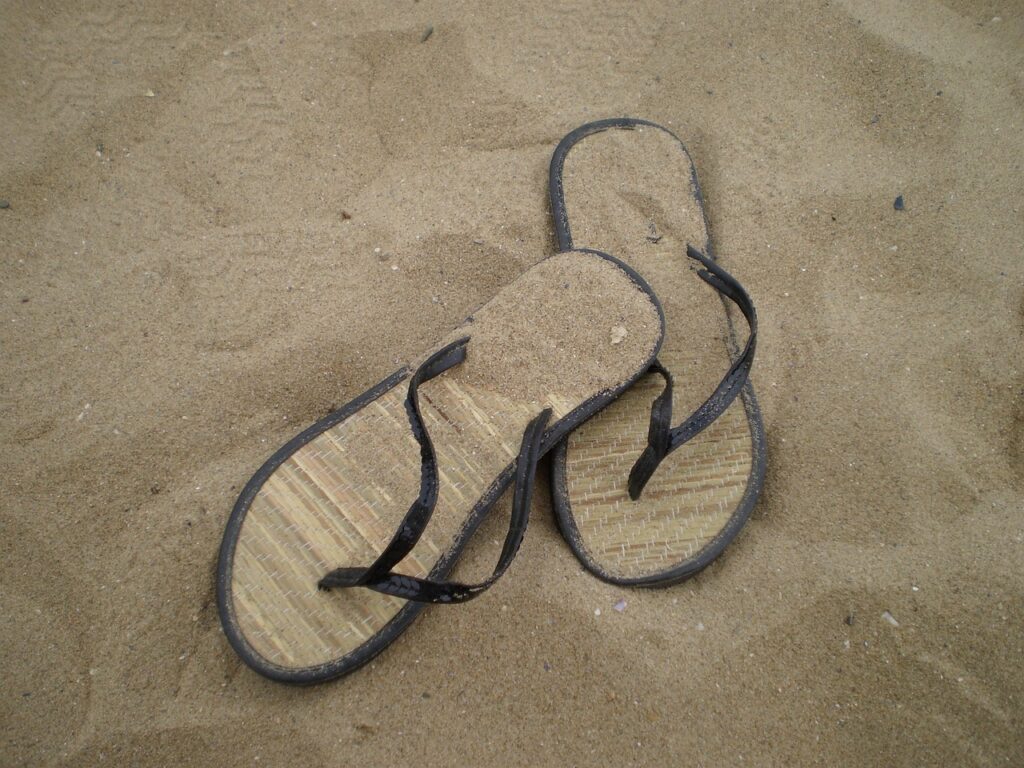

The Culture, History & Civilization Behind Sandals & Flip Flops: An Exciting Journey Through Time
In the world of fashion, trends come and go, but some items remain timeless. One such example is the humble sandal, or its more casual counterpart, the flip-flop. These simple yet practical pieces of footwear have graced the feet of humanity for thousands of years, adapting to changing fashion trends and cultural shifts. Let’s embark on a fascinating journey through time, exploring the rich culture, history, and civilization behind sandals and flip-flops.
1. The Origin: Ancient Footwear for All
1.1 Universal Inception
Sandals are among the oldest known forms of footwear, with evidence of their existence dating back to ancient civilizations. Although the specific origins of sandals and flip-flops remain a mystery, it’s clear that their basic design – a sole held onto the foot by straps – was adopted by various cultures around the world.
1.2 Ancient Egypt: The Cradle of Sandals
The earliest recorded use of sandals comes from Ancient Egypt around 4,000 B.C. Pharaohs, nobles, and ordinary citizens alike wore sandals made from papyrus and other plant fibers, suitable for the hot and humid climate near the Nile River.
1.3 Cultural Variations
The sandal design varied among different cultures and regions. For instance, Ancient Greeks wore the strap between the first and second toe, Romans used the second and third toe, while the Mesopotamians opted for the third toe. These variations highlight the cultural diversity and adaptability of this ancient shoe.
2. The Asian Influence: Zori and Geta
2.1 Japanese Inspiration
The modern flip-flop owes its design to the traditional Japanese Zori, a form of sandal made from rice straw. The Zori’s simplicity and functionality made it popular across Japan and beyond, particularly after World War II, when soldiers brought them back to the U.S.
2.2 Geta: The Wooden Sandal
In addition to Zori, the Japanese also wore Geta, wooden-soled sandals typically worn with fabric socks called Tabi. These sandals, designed for different weather conditions, demonstrate the adaptability and versatility of the simple sandal design.
3. Sandals Across the Globe: A Common Thread
3.1 South American Tribes and their Unique Designs
Ancient South American tribes wore a version of the flip-flop made out of woven plant fiber. The Raramuri tribe, for instance, was famed for their ability to run long distances wearing such sandals. These designs highlight the practicality and durability of the sandal structure.
3.2 African Flip Flops
In Africa, desert tribes used rawhide and animal products to make their flip-flops. These sandals provided cushioning and resistance to the harsh desert conditions, illustrating how the basic design could be adapted to suit different environments.
3.3 Greek and Roman Variations
The Ancient Greeks and Romans also wore a form of flip-flops. With access to animal products and the ability to create fine leathers, they produced durable, comfortable sandals that served both as daily footwear and attire for battle and athletics.
4. The Evolution of Flip-Flops: From Ancient Times to Modern Day
4.1 The Arrival of Modern Flip-Flops
The flip-flop as we know it today originated in the 1940s when World War II soldiers brought the Japanese Zori home from their travels. The design quickly gained popularity, and by the 1960s, the term “flip-flop” had been coined, based on the unique sound these sandals make when worn.
4.2 Modern Adaptations
Today, flip-flops are a multi-billion dollar industry, globally recognized and loved for their affordability, comfort, and versatility. They come in a variety of materials, from rubber and plastic to leather and straw, and can be embellished with rhinestones, flowers, or other decorative elements.
5. The Flip-Flop Controversy: A Question of Decorum
Despite their popularity and widespread use, flip-flops have been a subject of controversy. The debate often revolves around where and when it is appropriate to wear them. Some argue that they are too casual for certain settings, while others celebrate their free-spirited charm.
6. The Flip-Flop in Fashion: From Beachwear to Runway

Flip-flops have transcended their initial function as simple beachwear and have found their way onto fashion runways. Designers have reimagined the classic flip-flop, transforming them into stylish and sophisticated footwear. Today, you can find flip-flops adorned with sequins, feathers, and high-end embellishments, from brands like Gucci to Valentino.
7. The Global Influence of Flip-Flops
7.1 Naming Variations
Flip-flops are known by different names across the globe. In Japan, they’re called Zori; Brazilians know them as Havaianas; Australians commonly refer to them as Thongs. These diverse names reflect the global reach and cultural significance of this simple yet versatile footwear.
7.2 Symbolism and Cultural Significance
Flip-flops hold symbolic meaning in many cultures. In Ancient Egypt, for example, the Pharaoh’s sandals were placed on his throne in his absence, symbolizing his sovereignty. Meanwhile, in Hindu tradition, the minimalist design of the sandal is seen as a sign of humility and respect for all life forms.
8. The Environmental Impact of Flip-Flops
The mass production and disposal of flip-flops, particularly those made from non-biodegradable materials, have raised environmental concerns. Many discarded flip-flops end up in landfills or oceans, contributing to pollution. This emphasizes the need for more sustainable and environmentally friendly options in flip-flop production.
9. Flip-Flops Today: A Staple of Summer
Today, flip-flops remain a staple of summer wardrobes worldwide. They’re popular for beach trips, poolside lounging, and casual summer outings. The convenience, comfort, and laid-back appeal of flip-flops make them a favorite choice for warm-weather footwear.
10. The Enduring Appeal of Flip-Flops
Despite their simplicity, flip-flops have stood the test of time, remaining popular across generations and cultures. Their versatility, affordability, and comfort have ensured their place in our closets and our hearts. As we continue to embrace the flip-flop trend, we also celebrate the rich culture, history, and civilization behind this timeless footwear.
So, the next time you slip on a pair of flip-flops, remember the fascinating journey they’ve made through history, from the ancient banks of the Nile to the modern runways of fashion capitals. Whether you’re heading to the beach or simply enjoying a sunny day, flip-flops are more than just footwear – they’re a symbol of our shared human history.